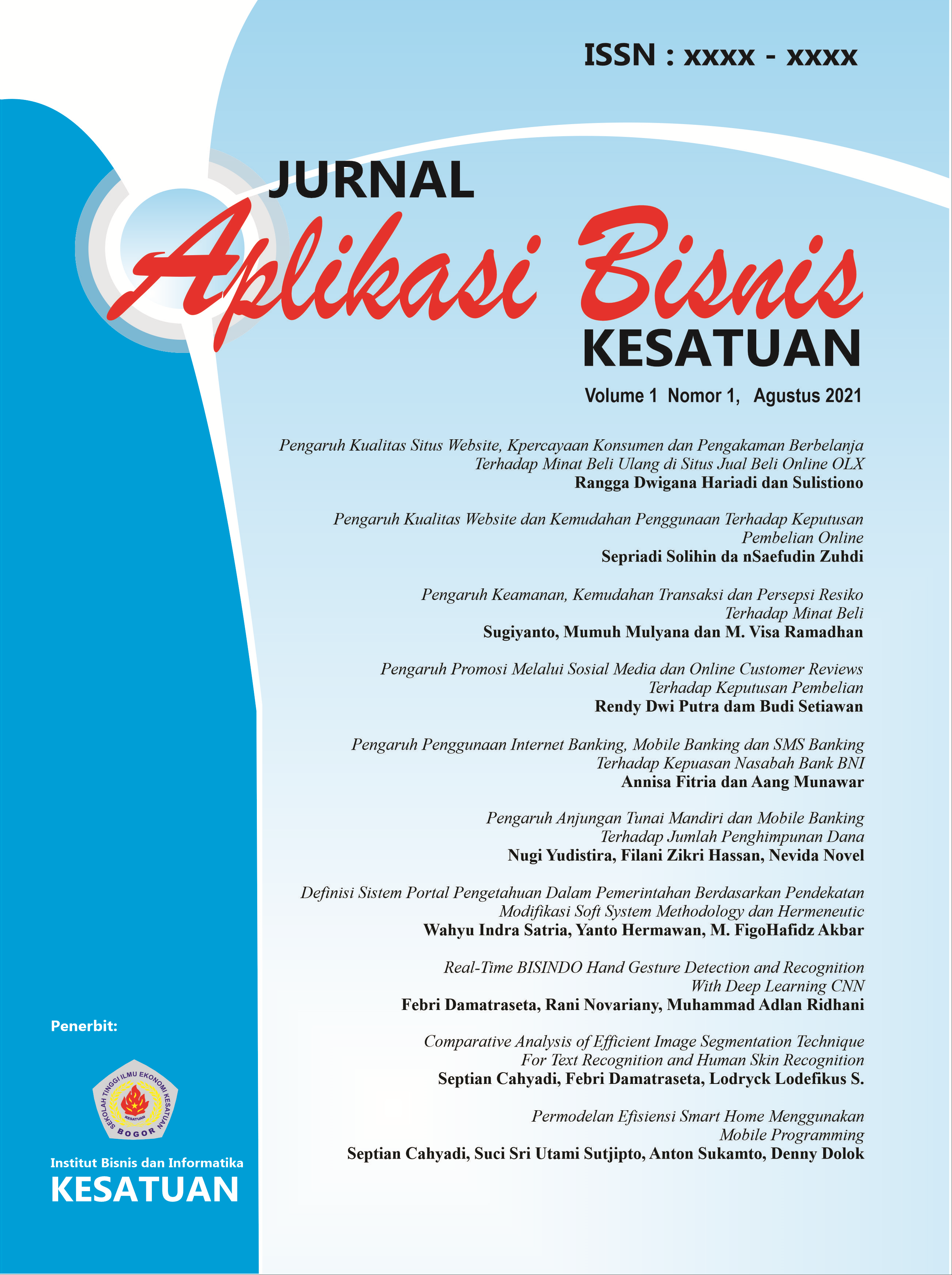
Comparative Analysis Of The Use Of QRIS And Digital Bank Transfers Among MSMEs In Bogor City
DOI:
https://doi.org/10.37641/jabkes.v6i1.5315Keywords:
QRIS, digital bank transfer, MSMEs, cashless payment, Bogor CityAbstract
The development of digital financial technology has transformed payment practices among micro, small, and medium enterprises (MSMEs), particularly through the growing use of QRIS and digital bank transfers. This article compares the performance of these two payment channels among MSMEs in Bogor City in terms of transaction cost, transaction speed, failure rate, convenience, and customer satisfaction. The study applies a quantitative approach with a comparative design involving 250 MSME actors from several business sectors. Data were collected through standardized questionnaires and transaction records from the previous three months, then analyzed descriptively and by using a paired sample t-test to examine mean differences in performance indicators between QRIS and digital bank transfers. The results show that QRIS performs significantly better in transaction speed, lower transaction failure, convenience, and customer satisfaction. In contrast, digital bank transfers are superior in terms of transaction cost. These findings indicate that QRIS is more suitable for daily retail transactions that require speed and ease of use, while digital bank transfers are better suited to larger-value transactions that are more sensitive to cost efficiency. Practically, combining both channels is the most rational strategy for MSMEs to maintain transaction efficiency, cash-flow stability, and service quality.